
Camellia Seed Oil
Camellia oleifera
The geisha's shine oil — 82% oleic acid for glass-hair finish.
- Region
- 🇨🇳 Zhejiang, China · Japan
- Form
- First-press vegetable oil
- Shelf life
- 24 months sealed
- Category
- Botanical oil
01The brief.
Origin
Cold-pressed from the seeds of Camellia oleifera, cultivated on terraced hillsides of Zhejiang and Hunan provinces where the shrub has been grown for over 2,300 years.
Extraction
Sun-dried seeds are cold-pressed at first press only. Filtered through unbleached silk; never refined with solvents.
Concentration
3–5 drops as a finishing oil; up to a full dropper as an overnight mask.
02How it works.
Camellia's extreme oleic-acid load means the molecule is small enough to slip between cuticle scales, flattening them into a reflective plane. That flatness is what your eye reads as 'glass hair'. Its polyphenols simultaneously chelate the free radicals that would otherwise dull colour after heat styling.
- Benefits
- ✦Delivers a glass-hair finish without residue
- ✦Protects strands from thermal damage up to 220°C
- ✦Bio-affinity to sebum — sits on hair like the scalp's own oil
- ✦Non-comedogenic on face and scalp
03Molecular signature.
The active constituents that make Camellia Seed Oil work — with standardised percentages where measured by HPLC.
-
Oleic Acid (ω-9)
Penetrating omega that flattens the cuticle for high-gloss finish.
78–84%
-
Palmitic Acid
Cuticle-softening saturated fatty acid.
8–10%
-
Linoleic Acid (ω-6)
Barrier-supporting essential fatty acid.
7–9%
-
Polyphenols + Vitamin E
Natural antioxidants — camellia is one of the most oxidation-stable natural oils.
04Signal profile.
A living profile — the record that made Camellia Seed Oil the house's choice.
Evidence
1 peer-reviewed source
52
Potency
Standardised at 82%
78
Safety
Broad tolerance
92
Heritage
Documented across 3 traditions
78
Sensory
Botanical oil profile
88
Sourcing
Traceable provenance
92
05Heritage.
The record
Recorded in the Han dynasty texts (206 BCE) as 'the oil of the south' and adopted by Japanese geishas in the Heian period (794–1185) as tsubaki oil — used to protect hair from the weight of elaborate updos and lacquered ornaments.
Traditional use
Japanese geisha hair-and-face oil ('tsubaki'); Chinese post-wash finishing oil; Korean scalp treatment.
Naturally found in
- ●Native to southern China and Japan
- ●Terraced hillside cultivation across Zhejiang and Hunan
- ●Related to — but distinct from — the tea plant Camellia sinensis
Sustainability
Camellia shrubs sequester carbon on marginal soils that cannot support cereal crops. The Zhejiang cooperative we source from is Rainforest Alliance certified.
06Field → phial.
Every gram of Camellia Seed Oil passes five gates before it enters a Ghori formula. No shortcuts, no re-labels — the paper trail runs from soil to seal.
- 𖤣01
Stage 01
Harvest
Cold-pressed from the seeds of Camellia oleifera, cultivated on terraced hillsides of Zhejiang and Hunan provinces where the shrub has been grown for over 2,300 years.
- ❋02
Stage 02
Extract
Sun-dried seeds are cold-pressed at first press only. Filtered through unbleached silk; never refined with solvents.
- ◇03
Stage 03
Assay
HPLC-verified. 82% standardised for oleic acid — the highest of any culinary/cosmetic oil.
- ◉04
Stage 04
Formulate
3–5 drops as a finishing oil; up to a full dropper as an overnight mask.
- ⌘05
Stage 05
Deliver
Stable 24 months sealed. Sealed under nitrogen where required.
07Best for. Pairs with.
Best for
- Fine, silky hair that needs weightless shine
- Pre-heat-styling protection
- Post-styling gloss without silicone
Works well with
- Argan Oil
- Silk Amino Acids
- Vitamin E
08In 1 formula.
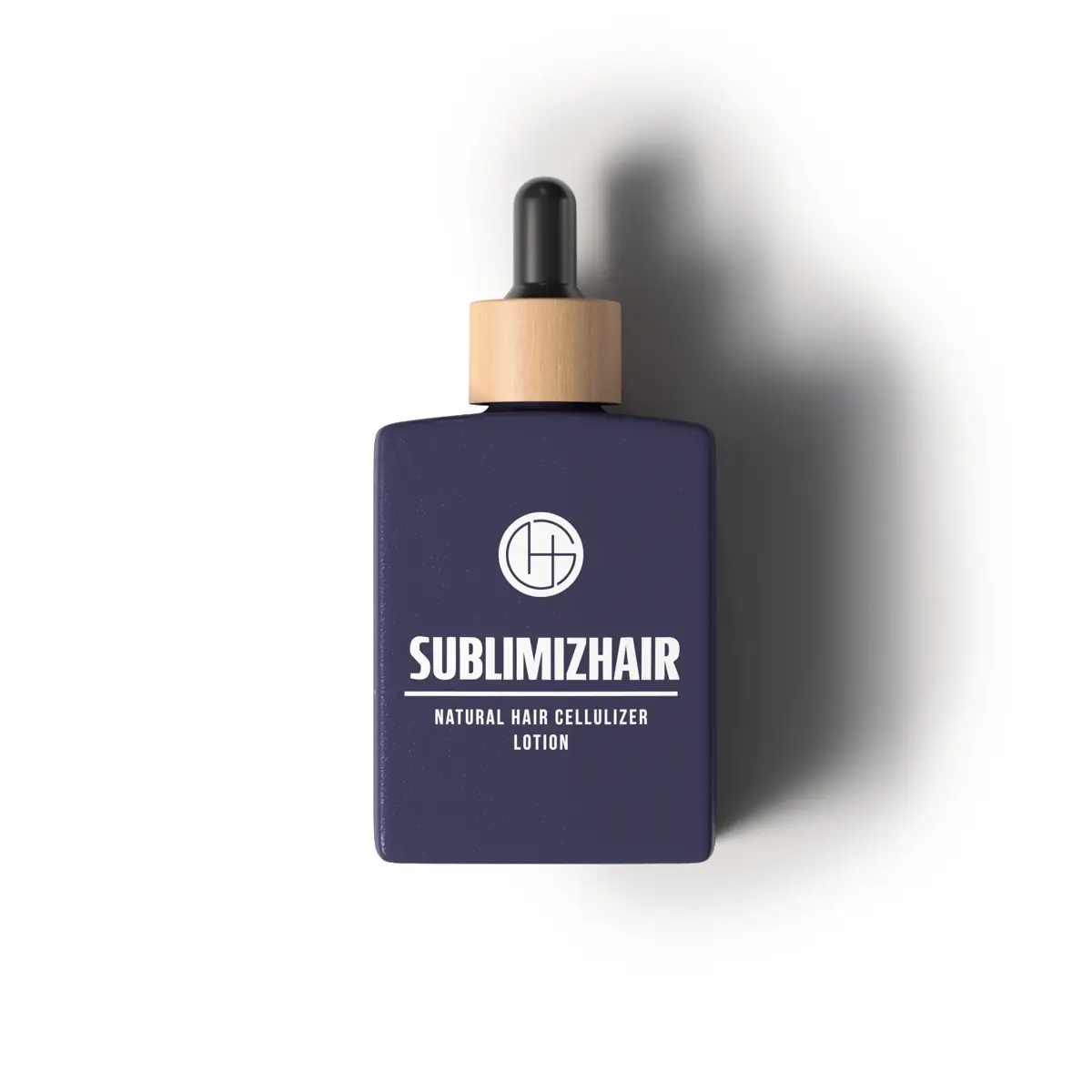
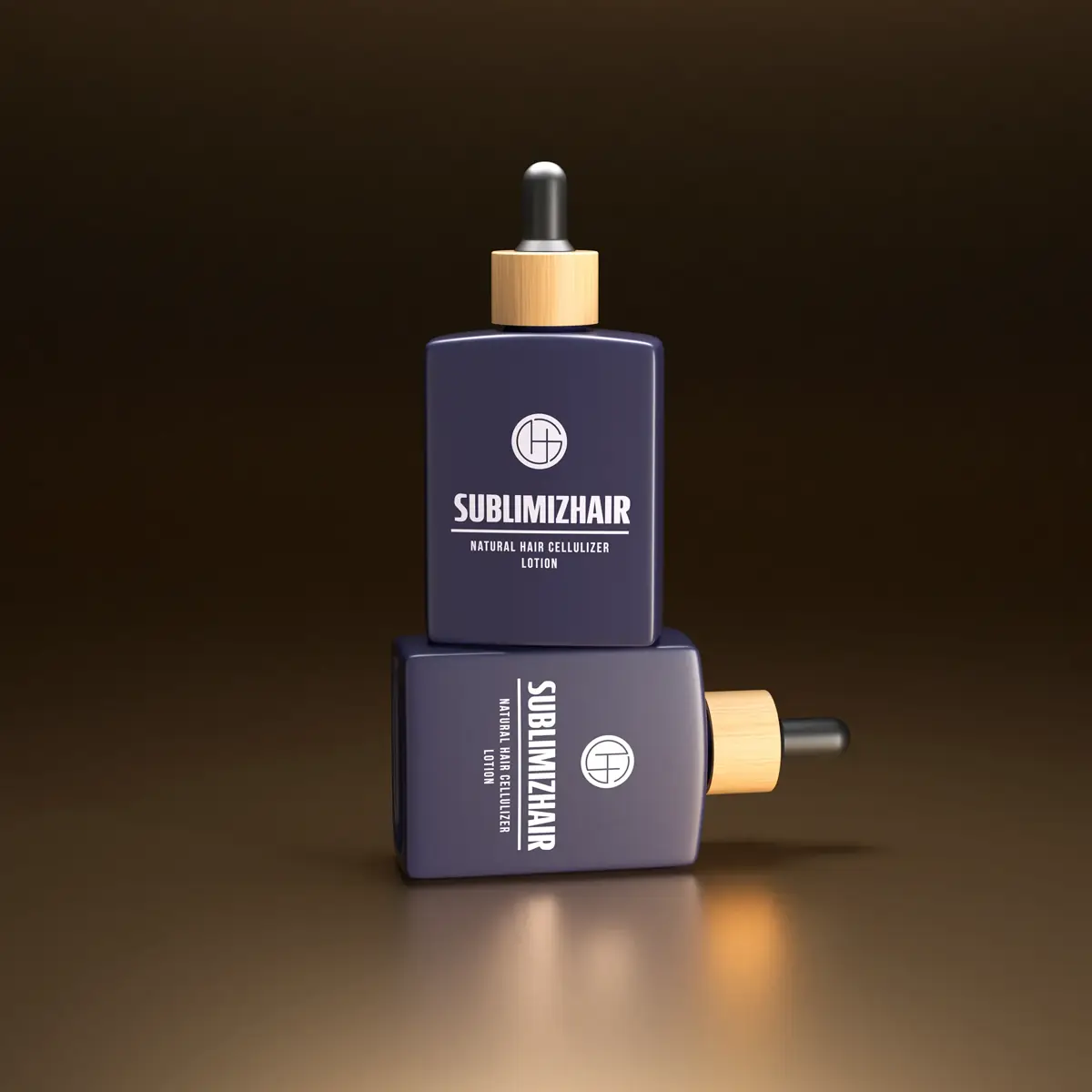
09People often ask.
Camellia vs argan — which shines more?
Camellia's higher oleic content gives a slightly glossier finish; argan is richer in vitamin E. Both belong in a serious hair drawer.
10The paper trail.
- 01Ma J, et al. Food Chem. 2011 — Camellia oleifera: chemical composition and oxidative stability.
More in botanical oil