
Hydrolyzed Silk
Hydrolysed silk fibroin
Silk fibroin, pre-cleaved to a size the cuticle actually accepts.
- Region
- 🇰🇷 South Korea (silk-biotech standardisation)
- Form
- Aqueous solution
- Shelf life
- 24 months refrigerated
- Category
- Peptide/Protein
01The brief.
Origin
Silk cocoons from Chinese and Korean sericulture, hydrolysed and standardised in South Korean cosmetic-biotech facilities to guarantee peptide weight.
Extraction
Cocoons are degummed to isolate fibroin (the structural protein — sericin is the gum), then enzymatically hydrolysed to a controlled 500–1,200 Da range.
Concentration
1%–3% in rinse-off and leave-in formulas.
02How it works.
Hydrolysed silk peptides deposit in a thin, water-resistant film along the cuticle. Their block-copolymer structure (alternating hydrophilic and hydrophobic domains) lets them bond to damaged patches while remaining flexible enough to move with the strand — the reason silk-treated hair looks glossy but never crunchy.
- Benefits
- ✦Coats and smooths the cuticle for a mirror-like finish
- ✦Adds tensile strength to bleach-weakened strands
- ✦Improves colour retention by sealing porosity
- ✦Lightweight — no protein-overload stiffness
03Molecular signature.
The active constituents that make Hydrolyzed Silk work — with standardised percentages where measured by HPLC.
-
Fibroin peptides
Repeating glycine-alanine-serine block — the crystalline core of silk.
-
Hydrophobic domains
Bind to damaged hydrophobic patches on the cuticle.
04Signal profile.
A living profile — the record that made Hydrolyzed Silk the house's choice.
Evidence
1 peer-reviewed source
52
Potency
Standardised at 800 Da
100
Safety
Broad tolerance
92
Heritage
Documented across 2 traditions
68
Sensory
Peptide/Protein profile
64
Sourcing
Traceable provenance
78
05Heritage.
The record
Sericulture began in China around 3,600 BCE; hydrolysed silk peptides for cosmetic use were commercialised in Japan and Korea in the 1970s–80s as an alternative to animal-derived collagen.
Traditional use
Chinese and Japanese silk-water hair rinses; Ayurvedic silk-fibre scalp massage.
Naturally found in
- ●Bombyx mori silkworm cocoons (main source)
- ●Wild silk (tussar, muga) cocoons in India — different amino profile
Sustainability
Peace Silk protocols allow moths to emerge before cocoon harvest, addressing the ethical concern. Cocoons are otherwise agricultural by-products.
06Field → phial.
Every gram of Hydrolyzed Silk passes five gates before it enters a Ghori formula. No shortcuts, no re-labels — the paper trail runs from soil to seal.
- 𖤣01
Stage 01
Harvest
Silk cocoons from Chinese and Korean sericulture, hydrolysed and standardised in South Korean cosmetic-biotech facilities to guarantee peptide weight.
- ❋02
Stage 02
Extract
Cocoons are degummed to isolate fibroin (the structural protein — sericin is the gum), then enzymatically hydrolysed to a controlled 500–1,200 Da range.
- ◇03
Stage 03
Assay
HPLC-verified. 800 Da standardised for average peptide weight — cuticle-permeable.
- ◉04
Stage 04
Formulate
1%–3% in rinse-off and leave-in formulas.
- ⌘05
Stage 05
Deliver
Stable 24 months refrigerated. Sealed under nitrogen where required.
07Best for. Pairs with.
Best for
- Colour-treated or bleached hair
- Fine hair that needs shine without weight
- Anyone whose strands feel rough after cleansing
Works well with
- Silk Amino Acids
- Camellia Seed Oil
- Ceramide Complex
08In 1 formula.
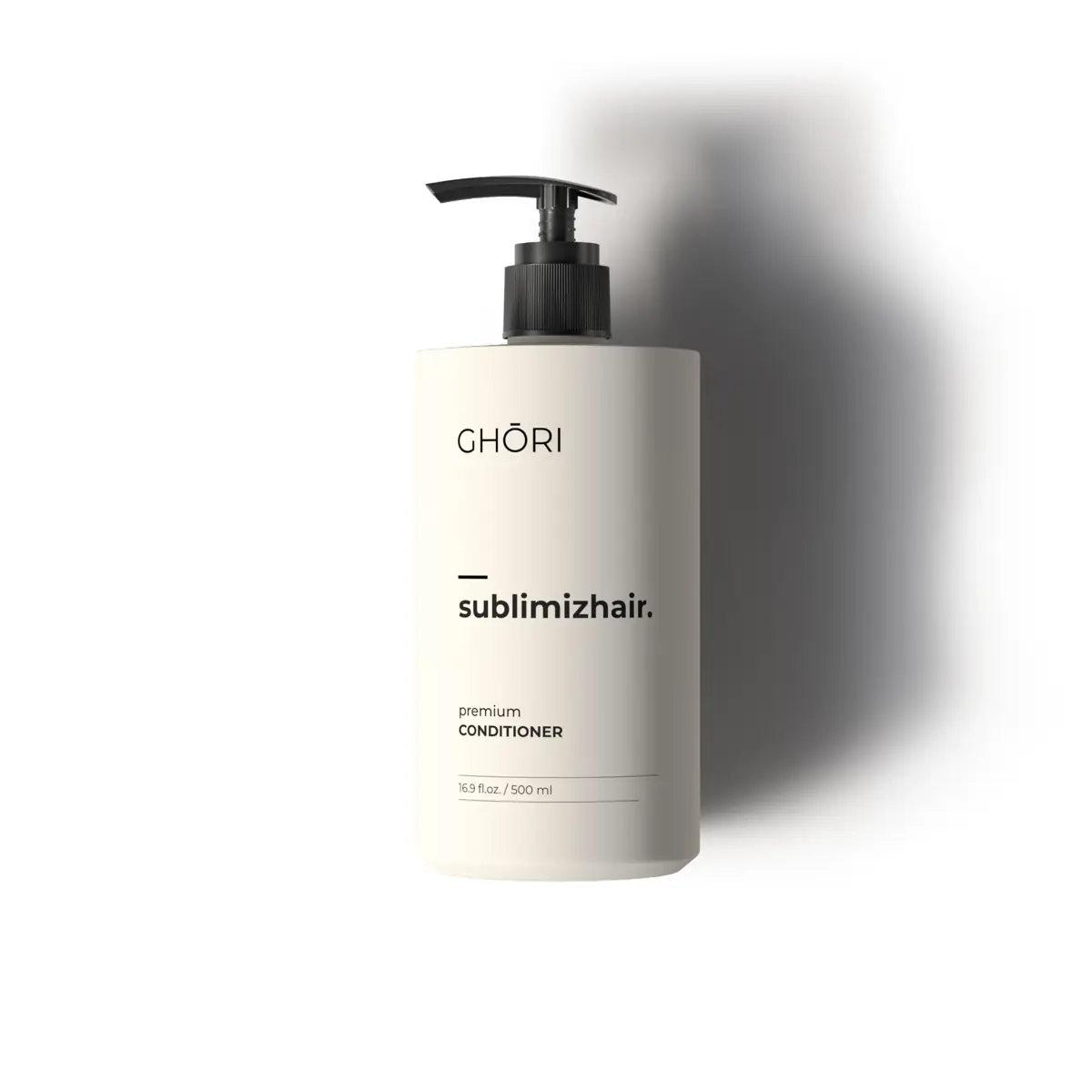
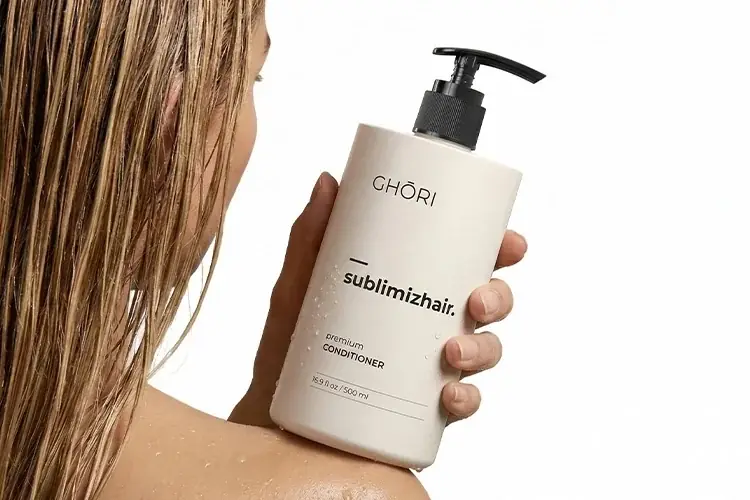
Conditioners · 500 ml
Ghori Sublimizhair Natural Premium Conditioner
Premium Korean conditioner · Made in South Korea.
AED 80 AED 100
09People often ask.
Hydrolyzed silk vs silk amino acids?
Silk amino acids are the smallest fragments (single amino acids and dipeptides); hydrolysed silk is a slightly larger peptide range that films the cuticle. We use both for complementary repair.
10The paper trail.
- 01Kim H, et al. J Cosmet Sci. 2011 — Effects of silk protein hydrolysates on hair damage.
More in peptide/protein
Continue the dossier.
Structural repair
Hydrolyzed Keratin
The same protein hair is made of — pre-cut to slip inside a damaged cortex.
Barrier restoration
Ceramide Complex
The lipid mortar that stops your cuticle bricks from falling apart.
Ancient shine
Silk Amino Acids
18 amino acids from silk — the closest protein match to human hair.