
Glycerin
Glycerol · 1,2,3-propanetriol
The three-hydroxyl humectant that pulls moisture from air into hair.
- Region
- 🇪🇺 European Union · vegetable-derived
- Form
- Viscous colourless syrup
- Shelf life
- 60 months sealed
- Category
- Vitamin
01The brief.
Origin
Saponified from non-GMO rapeseed and sunflower oil in European facilities. Pharmaceutical-grade (Ph. Eur.).
Extraction
Vegetable oil is trans-esterified into methyl esters and glycerol; the glycerol is vacuum-distilled and filtered through activated carbon.
Concentration
3%–15% in leave-on and rinse-off formulas. Above 20% in dry climates can 'reverse-humect' — pulling water OUT of hair.
02How it works.
Glycerin's three hydroxyl groups act like tiny magnets for water molecules in the surrounding air. Each glycerin molecule pulls a hydration shell around itself and, when it's dissolved in a hair formula, brings that shell along into the cortex — leaving hair measurably softer, springier, and less prone to breakage.
CautionIn desert-dry climates (<30% RH), reduce glycerin below 5% — otherwise it can reverse-humect and dehydrate hair. Not a concern in most Middle Eastern climates thanks to A/C rebalancing indoor RH.
- Benefits
- ✦Draws moisture from ambient humidity into the cortex
- ✦Improves cuticle flexibility, reducing snap-breakage
- ✦Boosts the humectant power of other actives (panthenol, honey)
- ✦One of the safest ingredients in the entire cosmetic catalogue
03Molecular signature.
The active constituents that make Glycerin work — with standardised percentages where measured by HPLC.
-
Three hydroxyl (-OH) groups
Each -OH bonds with 1–3 water molecules, forming a hydration shell around the strand.
-
Small, water-soluble
Easily penetrates the cuticle without weighing hair down.
04Signal profile.
A living profile — the record that made Glycerin the house's choice.
Evidence
1 peer-reviewed source
52
Potency
Standardised at 3
20
Safety
Requires patch test
62
Heritage
Documented across 3 traditions
77
Sensory
Vitamin profile
58
Sourcing
Traceable provenance
78
05Heritage.
The record
Isolated in 1779 by Swedish chemist Carl Wilhelm Scheele from olive oil boiled with lead. Now one of the most-used cosmetic ingredients in the world thanks to its perfect safety record and unmatched humectant power.
Traditional use
Widely used in soap-making since the medieval era; a staple of 19th-century apothecary skin tonics.
Naturally found in
- ●Every vegetable and animal fat (as glycerol)
- ●By-product of soap-making since the Middle Ages
- ●One of the most-studied cosmetic humectants
Sustainability
A co-product of biodiesel manufacture — using it upcycles a waste stream. Our supplier is RSPO-certified for palm-free vegetable sourcing.
06Field → phial.
Every gram of Glycerin passes five gates before it enters a Ghori formula. No shortcuts, no re-labels — the paper trail runs from soil to seal.
- 𖤣01
Stage 01
Harvest
Saponified from non-GMO rapeseed and sunflower oil in European facilities. Pharmaceutical-grade (Ph. Eur.).
- ❋02
Stage 02
Extract
Vegetable oil is trans-esterified into methyl esters and glycerol; the glycerol is vacuum-distilled and filtered through activated carbon.
- ◇03
Stage 03
Assay
HPLC-verified. 3 standardised for hydroxyl groups — each one binds water molecules to the strand.
- ◉04
Stage 04
Formulate
3%–15% in leave-on and rinse-off formulas. Above 20% in dry climates can 'reverse-humect' — pulling water OUT of hair.
- ⌘05
Stage 05
Deliver
Stable 60 months sealed. Sealed under nitrogen where required.
07Best for. Pairs with.
Best for
- Dehydrated hair in humid climates
- Curly and coily textures that need moisture
- Anyone in high-humidity summer months
Works well with
- Panthenol
- Hydrolyzed Keratin
- Vitamin E
08In 1 formula.
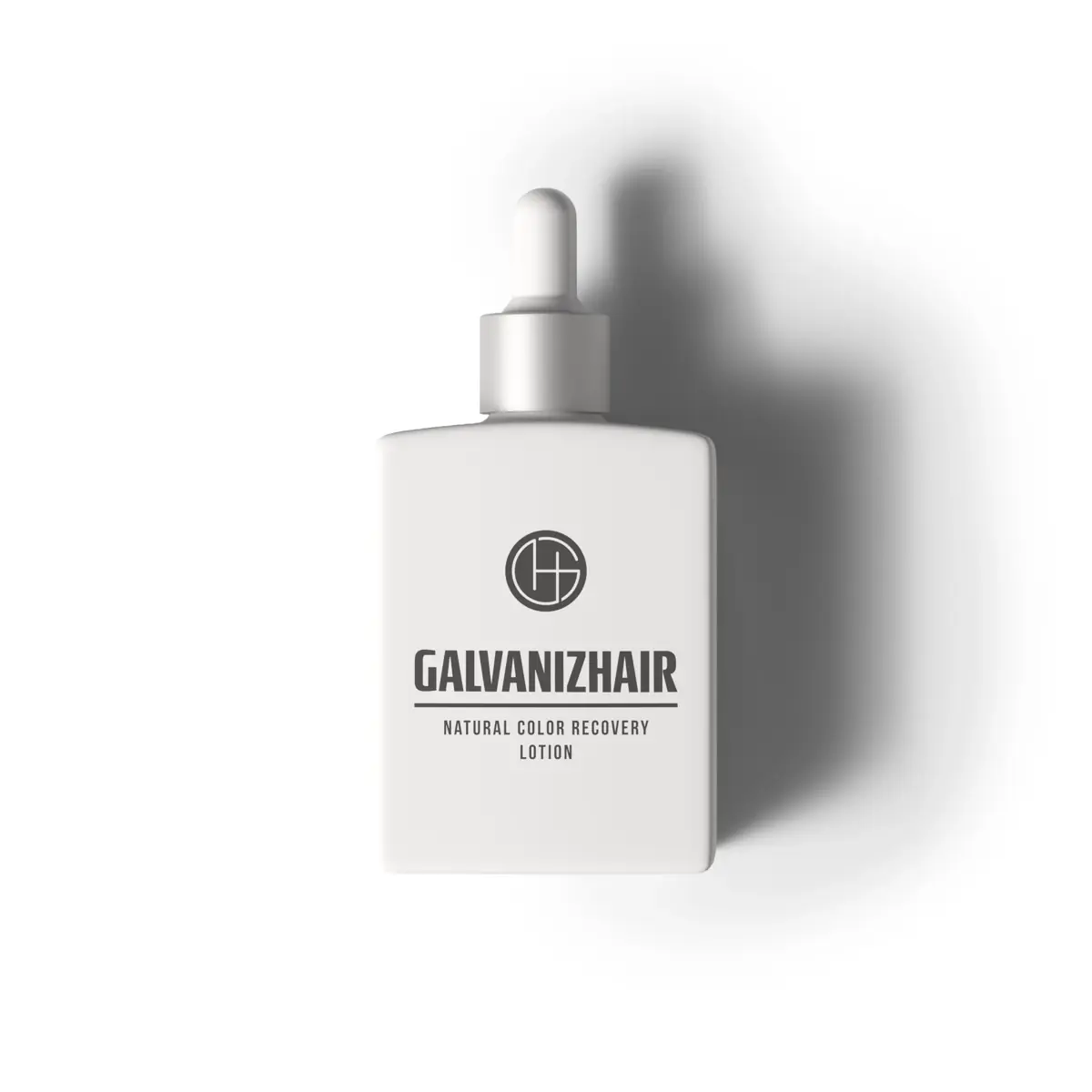
Serums · 60 ml
Ghori Galvanizhair Hair Serum
Fortifying serum for visibly denser hair.
AED 80 AED 100
09People often ask.
Is glycerin bad for curly hair?
Only in extremely dry climates, where it can pull water outward. In normal to humid climates, it's one of the best moisture-drawing actives available.
10The paper trail.
- 01Fluhr JW, et al. J Cosmet Dermatol. 2008 — Glycerol and the skin: holistic approach to its origin and functions.
More in vitamin
Continue the dossier.
Strand fortification
Biotin
The keratin cofactor every fragile strand quietly runs out of.
Humectant repair
Panthenol (Provitamin B5)
The molecule that turns into Vitamin B5 the moment it hits your hair.
Antioxidant shield
Vitamin E (Tocopherols)
The membrane antioxidant that stops your hair's fatty acids from going rancid.